Collector Journal
The Comic Issue as a Collectible Object
A comic issue carries more than story. Collectors read issue numbers, covers, creators, appearances, variants, and publisher history.
GrailHub·June 20, 2026
Collector Journal
A comic issue carries more than story. Collectors read issue numbers, covers, creators, appearances, variants, and publisher history.
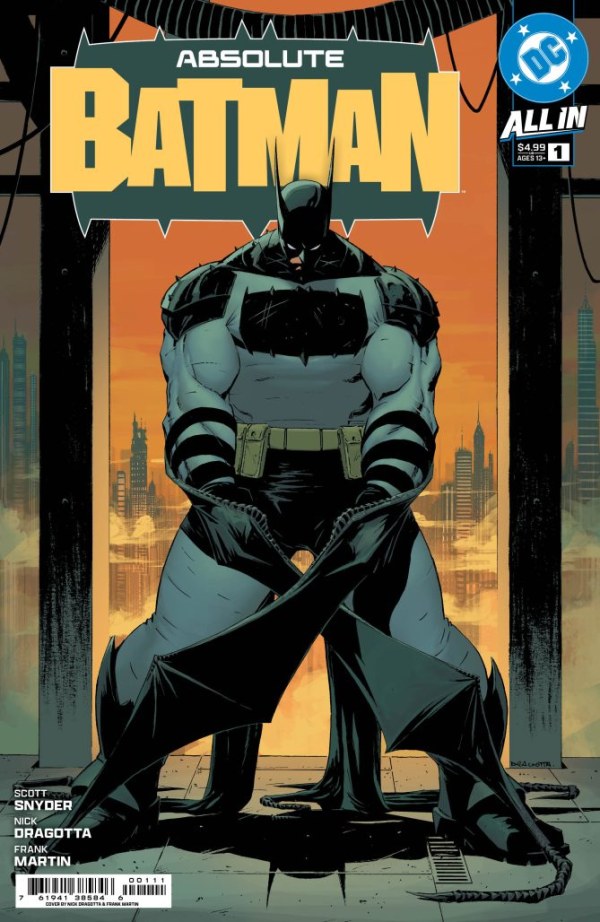
A comic issue is a strange and wonderful collectible because it is both a piece of a story and a standalone object. It belongs to a series, publisher, creative team, and moment in time, but it also has a cover, issue number, format, and physical presence that can make it collectible on its own. That is why collectors do not only ask what happens inside the issue. They ask what the issue represents.
The most obvious signal is the issue number. A first issue can mark a beginning, but later issues can matter just as much when they include a key appearance, a striking cover, a creator milestone, a variant, or a story moment collectors remember. The cover is often the gateway. It is the image that turns a story chapter into something people want to display.
First appearances get a lot of attention because they connect an issue to the debut of a character, team, costume, or concept. Variants matter because they create alternate visual identities for the same issue. Print context matters because availability and format influence how collectors compare copies. Creator credits matter because writers, artists, colorists, and cover artists shape the issue's place in comic history.
Condition also changes the conversation. A comic is paper, ink, staples, and time. Preservation becomes part of the story. Even without talking about price, collectors care about condition because it affects how an issue feels in hand and how confidently it can be displayed, stored, or shared.
Comic collecting is graph-shaped. One issue points to a publisher, series, character, creator, cover style, and era. A collector may start with Batman, move to a specific run, then follow a cover artist, then discover a related series. That kind of browsing is exactly what a collector platform should support.
On GrailHub, a comic page should help you understand what the issue is, where it sits, and what paths it opens next. The goal is not to flatten comics into database rows. It is to make the issue feel like a door into a wider collector map.
Related objects
Artifacts connected to this Journal piece.