Collector Journal
LEGO Art and the Rise of Wall Display Collecting
LEGO Art sets changed the collector question from “where do I put the model?” to “which wall does this belong on?”
GrailHub·June 20, 2026
Collector Journal
LEGO Art sets changed the collector question from “where do I put the model?” to “which wall does this belong on?”
LEGO Art sets are interesting because they change the physical contract between a builder and a collectible. Most LEGO sets need a horizontal surface: a desk, shelf, cabinet, or table. LEGO Art points upward. It asks to be hung, framed, aligned, and viewed like a print or poster. That single shift makes the category feel closer to home decor, music posters, gallery walls, and design objects than a standard build.
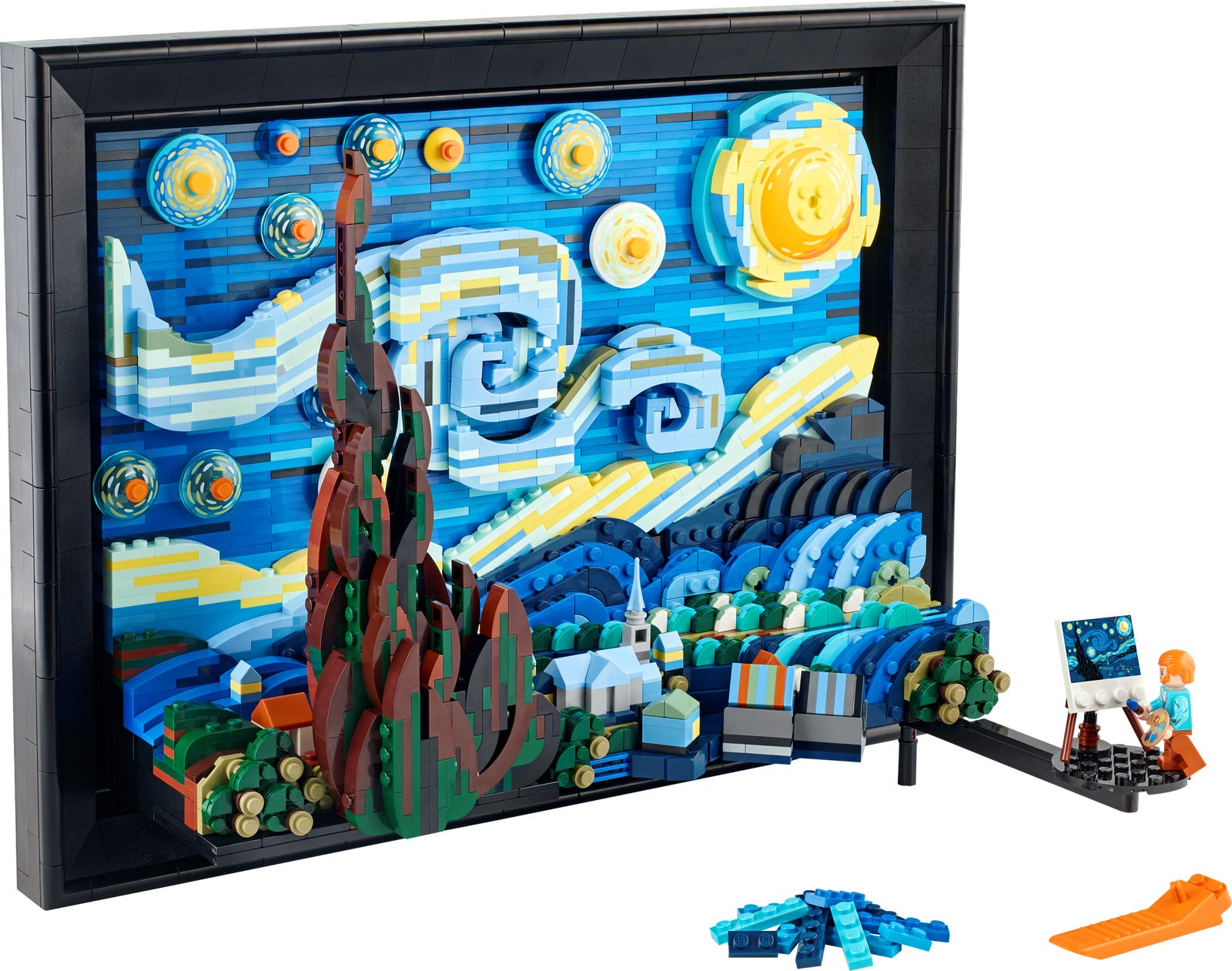
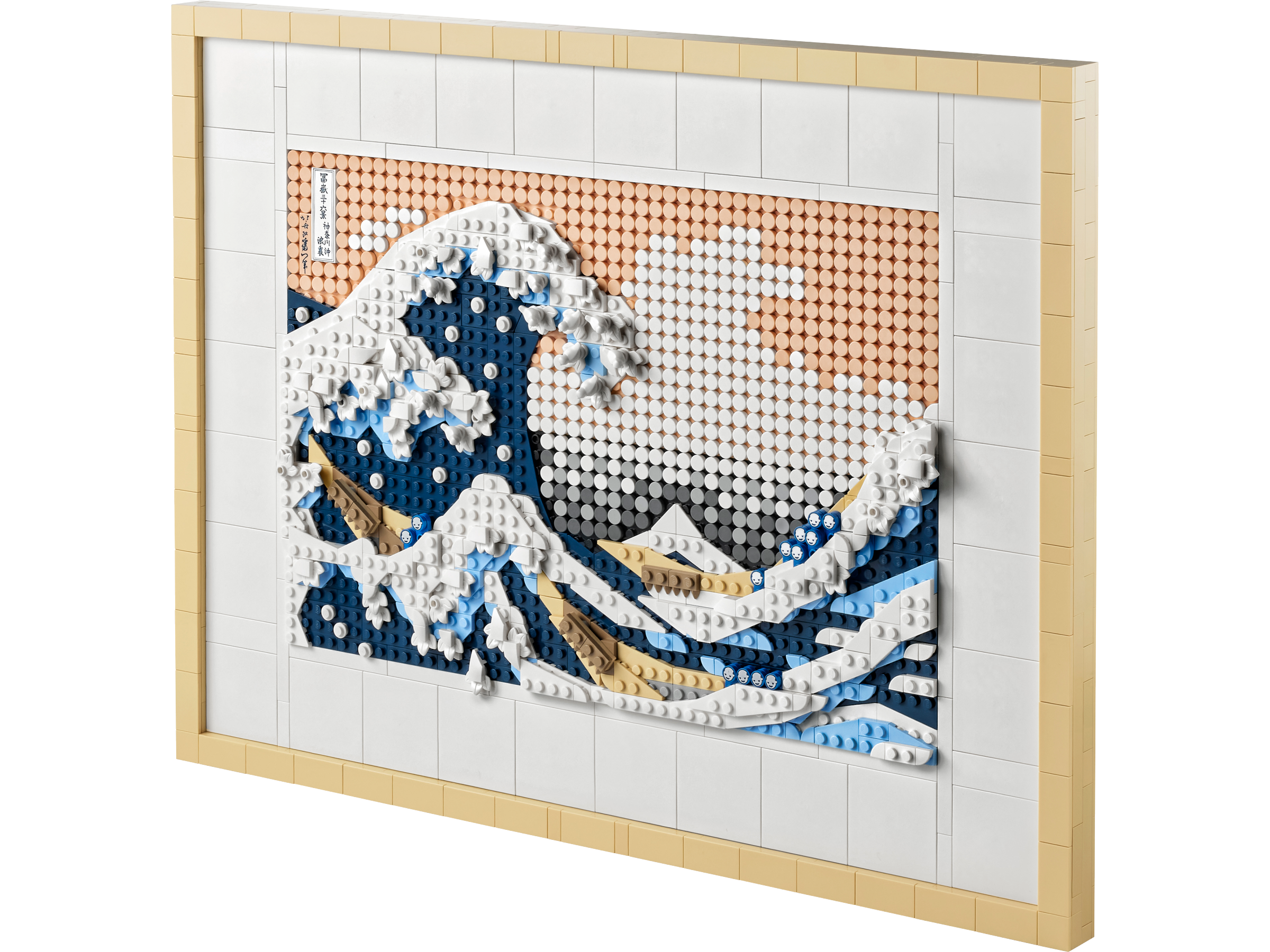
For collectors, that matters because display space is always the hidden constraint. A collection grows until it runs into the wall, literally or figuratively. Wall display sets create a different kind of space. They let a collector show taste without needing another deep shelf or cabinet. A piece like Hokusai - The Great Wave or The Starry Night can sit in conversation with prints, books, records, art toys, comics, and other visual culture.
The best wall display collectibles are readable from across the room and rewarding up close. LEGO Art sets do both. From a distance, the subject is recognizable. Up close, the viewer notices the construction method, texture, color mapping, and the fact that the image is made from pieces rather than ink or paint.
That tension is the point. The object is not trying to replace the original artwork or poster language. It is translating it into a LEGO system. For collectors, translation is often what makes an object desirable. The same subject can exist as a print, a figure, a comic cover, a card, or a brick-built panel, and each format says something different about the collector who chooses it.
When browsing LEGO Art, look beyond the title. Track the set number, release year, subject, piece count, and display size if available. Notice whether the set is part of a broader theme, artist collaboration, or pop-culture lane. A wall piece is not just a catalog entry; it is a decision about what visual world you want around you.
That makes LEGO Art a strong GrailHub category. It connects database facts to the real collector question: would this make my shelf, wall, or room feel more like mine?
Related objects
Artifacts connected to this Journal piece.