Collector Journal
How to Spot a Fake BE@RBRICK Before You Buy
A collector-first checklist for checking BE@RBRICK markings, packaging, print quality, proportions, seller risk, and source signals.
GrailHub·June 29, 2026
Collector Journal
A collector-first checklist for checking BE@RBRICK markings, packaging, print quality, proportions, seller risk, and source signals.
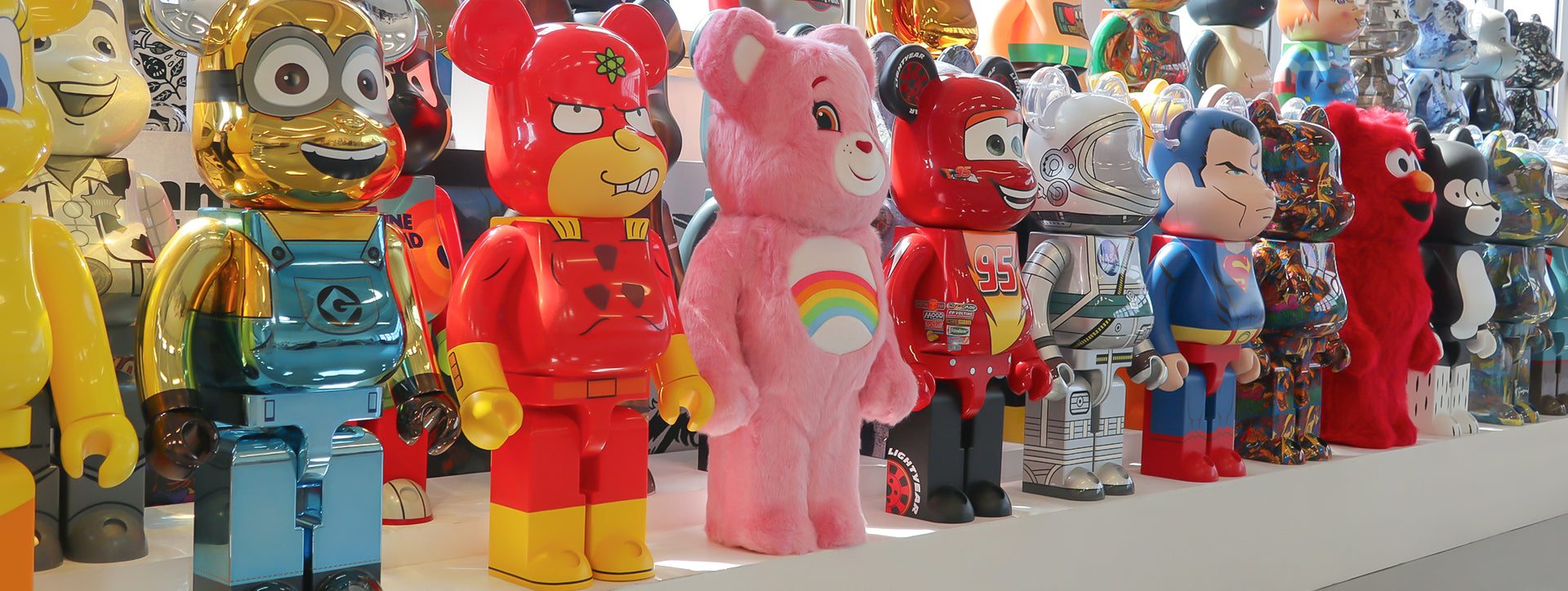
A fake BE@RBRICK usually wants you to look at the front. Do not obey it. Turn the figure over in your mind first: source, seller, packaging, markings, scale, print quality, and whether the story makes sense. The shiny photo is the bait. The details are where the truth starts coughing.
This guide is not a professional authentication certificate. It is a collector checklist for slowing down before you send money to a stranger with six photos, a dramatic price, and the confidence of a magician holding a plastic bear.
The safest BE@RBRICK purchases come from official Medicom Toy channels, established retailers, reputable auction houses, trusted marketplaces with buyer protection, or sellers with real history. If the seller cannot explain where the figure came from, cannot show extra photos, or gets strange when you ask for closeups, that is already information.
For newer releases, compare the listing against Medicom Toy's official product pages when available. Confirm the name, series, scale, release timing, packaging style, and image. A mismatch does not always mean fake, but it means pause.
Collectors often inspect the feet because BE@RBRICK figures commonly carry important manufacturing and brand markings there. Look for clean, consistent molded or printed markings. Be suspicious of sloppy stamps, missing expected marks, soft edges, strange spacing, or logos that look copied from a low-resolution image.
Do not rely on one mark alone. Counterfeits can imitate obvious tells. Treat foot markings as one signal inside a larger pattern: packaging, proportions, paint, print registration, joints, seller history, and price.
A real BE@RBRICK package usually has a specific relationship to the release: series, size, brand collaboration, barcode, Medicom Toy branding, licensed artwork, and clean print. Fake packaging often feels almost right in a bad dream: blurry text, muddy color, inconsistent fonts, weak cardboard, odd spelling, missing licensing lines, or a box that does not match the exact version being sold.
Ask for photos of all sides of the box. Ask for the back. Ask for the bottom. Ask for the inner packaging when relevant. A seller with the real object should not treat basic photos like state secrets.
BE@RBRICK looks simple until you handle enough of them. The silhouette is clean, and that makes mistakes easier to see. Watch for uneven paint, fuzzy graphic edges, weak color, misaligned printing, rough seams, strange gloss, incorrect ear shape, awkward limbs, loose joints, or a body that feels off for the scale.
For artist and license collaborations, compare the design to known authentic images. Small differences can be normal across photography and lighting. Big differences in layout, color placement, logo scale, or graphic crispness deserve suspicion.
A low price is not proof of a fake. Sometimes sellers need cash. Sometimes they do not know what they have. Sometimes a piece is damaged or loose. But if a rare 400% or 1000% BE@RBRICK is priced like a lunch, assume the universe is not suddenly being kind to you. Ask more questions.
The best collector habit is boring: compare recent sale ranges, check multiple sources, inspect photos, and do not let the fear of missing out do the typing for you.
Before buying, ask for clear photos of the front, back, sides, feet, box, barcode, any certificate or insert, and closeups of print details. Match the item against known release information. Read seller feedback. Avoid wire transfers or payment methods with no buyer protection. Be extra careful with listings that use only stock photos.
If the seller refuses reasonable authentication photos, you already have your answer.
The fake BE@RBRICK problem exists because the real thing matters. Medicom Toy built a platform collectors recognize instantly, and that makes the silhouette valuable enough to copy. Your job is not to become paranoid. Your job is to slow down long enough to let the object prove itself.
A good purchase feels boring before it feels exciting. The photos are clear. The details line up. The seller answers. The price makes sense. The object has a trail.
That is the one you want on the shelf.
Sources and references: Medicom Toy official product pages, BE@RBRICK collector marketplace authentication guidance, and established auction/marketplace buyer-protection practices checked June 29, 2026.
Related objects
Artifacts connected to this Journal piece.