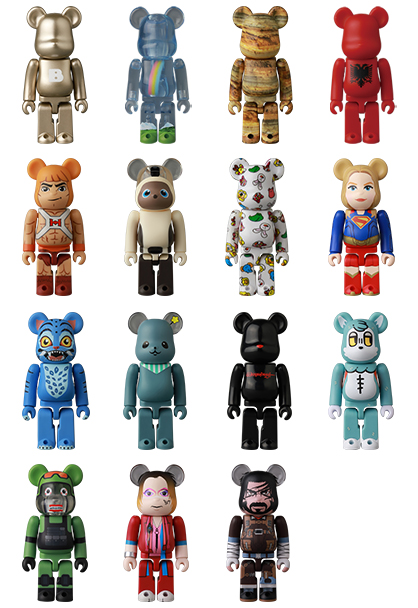
The little bear is never really little
BE@RBRICK Series 52 has the funny power that every good blind-box release has: it looks small, then it eats your afternoon. One figure becomes two. Two become a theme. A theme becomes a checklist. The checklist becomes a hunt. Suddenly you are learning ratios, secrets, artist names, licensing lanes, and why one tiny plastic bear can make grown adults refresh pages like maniacs.
The official Medicom Toy listing is the source to keep close: medicomtoy.co.jp/list/21179.html. On GrailHub, Series 52 is useful because it can be tracked as both a release and a collector system. The release is one object. The system is bigger: basic figures, artist figures, horror, cute, pattern, secret, chase, and the larger 400% or 1000% versions that may eventually orbit the same visual language.
What matters after release day
The first wave of attention usually goes to the obvious names and the loudest designs. That is normal. But the better collector work begins after the drop, when the set starts separating into lanes. Which figures are people actually keeping? Which ones become trade bait? Which ones look better in hand than in the product image? Which one quietly becomes the thing everyone wishes they had opened?
For Series 52, track the figure name, size, category, source, release context, and whether a larger format exists or is likely to matter later. BE@RBRICK collecting is very sensitive to scale. A 100% blind-box figure is not the same shelf decision as a 400% centerpiece or a 1000% room object.
Also track images carefully. BE@RBRICK variants can blur together when titles are similar, especially across Japanese product names, collaboration names, and repeated size formats. A good catalog record needs the right image, the right size, and enough metadata that collectors can filter without guessing.
How to use GrailHub for the hunt
Mark the Series 52 pieces you own, then use Want and Grail for the pieces you are still chasing. If you are building a display, group by theme instead of by acquisition order. If you are building a completion run, keep the full checklist visible and be honest about what is missing.
This is the part I love about BE@RBRICK: the object is standardized, but the collector behavior is not. Some people want the clean artist pieces. Some want the weird character hits. Some want secrets. Some only care about 400%. Some are building a wall of 100% figures like a tiny plastic city.
Series 52 gives all those collectors another reason to rearrange the shelf. That is the real release.